
Bradley County Bench Warrants Explained
A bench warrant is a court order tied to a missed appearance or some unmet court requirement. That label alone tells you little. It does not reveal which event triggered it or whether the order is still live, so ask the clerk for the exact docket entry, the issuing court, and any later recall, return, or appearance date. Bradley County publishes no searchable bench-warrant list. General Sessions Criminal Court is the key contact for many misdemeanor, traffic, preliminary, and warrant matters, while Circuit or Criminal Court and each city court keep their own dockets. The division that issued the order is the one that can confirm what it says today.
Bradley County Bench Warrant Terms
A missed hearing can show up in the file more than one way. Tennessee Rule 4 covers warrants and summonses, and the court's later action sets the next step. Cleveland City Court warns that a missed citation date can lead to a default judgment and a Tennessee referral, though it never says every missed date creates a bench warrant. Ask in Bradley County which term the clerk's entry actually uses.
- Summons
- A command to appear; it is distinct from an arrest warrant.
- Bench warrant
- Court process commonly tied to nonappearance or noncompliance.
- Capias
- A procedural term; ask which document the court has entered.
- Default judgment
- A Cleveland City Court term for a missed city-court matter, not automatically a warrant.
Use the court's own wording when you ask about status in Bradley County. These terms do not all mean the same thing.
How Bradley County Bench Warrants Are Issued
A judge or another authorized judicial officer issues process under the rules that fit the case. The clerk records the entries and can explain how to view or request the docket. Sheriff staff may serve or enforce an order, but the issuing court's clerk remains the best contact for what was ordered and whether anything changed it later. The Bradley County Sheriff directory lists General Sessions at 423-728-7052 and Criminal Court at 423-728-7056. County clerk listings give General Sessions at 423-728-7050 and Circuit Criminal at 423-728-7057. Those pages do not match, so check the official directory before dialing. Tennessee court rules also distinguish a summons from a warrant and describe what clerk docket entries must show.
Bradley County Bench Warrant Phone Numbers Differ
Two official Bradley sources publish different General Sessions Criminal Court numbers. The county clerk page lists 423-728-7050, while the Sheriff directory lists 423-728-7052. Cleveland's FAQ gives 423-728-7048 when it routes warrant questions to the General Sessions Clerk at the Justice Center, so treat these as separate published numbers and confirm the current one. When you call, name your case type and court date right away. Ask the staff member to confirm the correct division and location before you share personal details. The directory lists Sheriff Judicial Services at 423-728-7304 and general information at 423-728-7300.
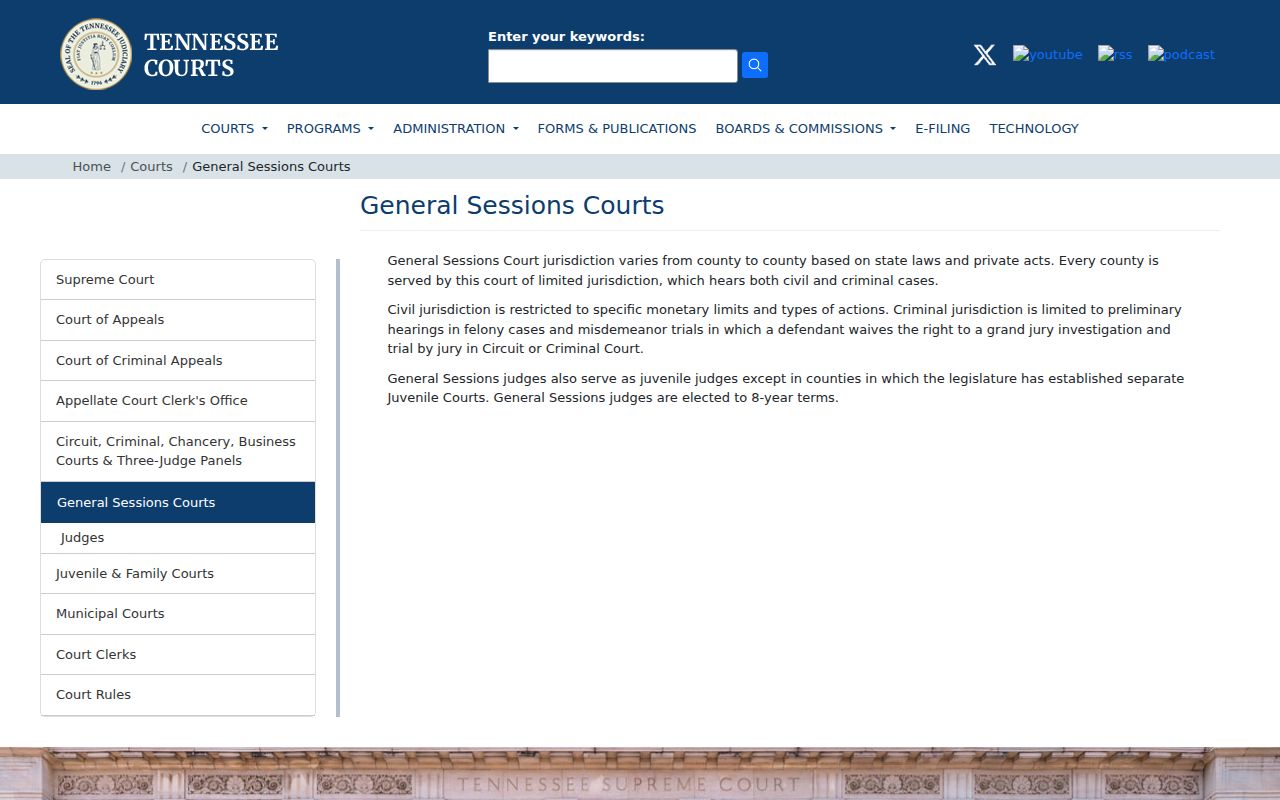
The Tennessee General Sessions overview provides context for the local role.
Bench Warrants and Arrest Warrants Compared
Both types can put law enforcement into motion. The path into the court file differs. An arrest warrant follows a probable-cause process, while a bench warrant usually traces back to a court event like a no-show or a broken order. In Bradley County, the clerk can tell you which one sits in your case. Neither substitutes for the other.
| Question | Bench warrant | Arrest warrant |
|---|---|---|
| Typical trigger | Missed court duty or noncompliance | Judicial probable-cause process |
| First contact | Court that set the matter | Issuing court or Sheriff route |
| Local public list | None found | No countywide searchable list found |
| Status proof | Clerk docket or order | Issuing court/agency confirmation |
In Bradley County, never treat a booking report or a Most Wanted page as a stand-in for the actual court record.
Cleveland Bench Warrant Extension Rule
Cleveland City Court lets its clerk grant one extension before the court date. After that, the person must appear before the judge. The court also says a missed date can produce a default judgment, with ten days to pay before the citation goes to Tennessee, and a late payment means an office visit for paperwork to Tennessee. Those are Cleveland citation rules, not a Bradley County bench-warrant policy. If a city date was missed, ask City Court whether a separate warrant or other order was entered. The citation portal can locate the city violation, but verify the court action with the clerk. Paying and getting a recall are different steps, so ask which record proves each one.
Resolving a Bradley County Bench Warrant
Talk to an attorney or the issuing court before you walk in, especially if the order may still be active in Bradley County. Ask about a recall, reset, or appearance process, whether counsel may appear, and what identification and location apply. The county posts no detailed self-surrender instructions or general bond schedule.
Confirm first: Do not assume an online payment, a booking release, or a clerk conversation has recalled the order. Ask the court what action is required and how it will be recorded.
Need proof it is resolved? Ask the Bradley County clerk for the docket entry, recall or quash order, satisfaction, or service return. Name the court, the approximate date, and the document you want. A lawyer can help pick the right filing.
Bradley County Municipal Bench Process Differs
Charleston runs its municipal cases differently than Bradley County criminal court. Under Title 3 of the city code, the judge can issue an ordinance summons. Skip the hearing and the code permits an ex parte proceeding, with a judgment that still carries an appeal path. The city recorder doubles as the municipal court clerk, so that office is the place to ask where summons files, hearing results, payments, and appeals are kept. Nothing in these steps resembles a General Sessions criminal bench warrant. Charleston also posts no online citation or warrant portal. The code does contain municipal appearance-bond and cost provisions, though those set no Bradley state criminal bail amount. Before you drive over, check the city's current contact page, since posted hours can change.
Finding the Court That Issued the Warrant
Work backward from the paper that raised the question. A Cleveland citation points to City Court. A Charleston ordinance summons belongs to the recorder and municipal court. Bradley County criminal cases can sit in General Sessions or in Circuit and Criminal Court, so the charge paperwork tells you which Bradley County clerk to call. The Tennessee AOC Bradley courthouse page lists the county criminal courts, and the Bradley County clerk page posts office contacts and locations. Confirm the current General Sessions phone. County and Sheriff pages list different numbers for it. Juvenile records are restricted, and federal matters go to the Eastern District of Tennessee rather than a Bradley County clerk. Even a PACER docket can come up empty on sealed or unserved federal matters. A blank result is no status certificate.
Bradley County Bench Warrant Recall Records
Get any answer in writing. A phone call can shape your next move, but a docket entry or signed order shows the court actually acted. Ask the clerk for a copy. Ask too whether the request should go to the court, the Sheriff, or a city recorder. Bradley County court records run under Tennessee Rule 34, which sets access rules and exceptions. The Bradley County Sheriff's TPRA form asks for Tennessee citizenship, a signed request, and a clear description of the records. Bring contact details too. A Tennessee photo ID must show your current residential address. Copy or labor costs may apply. When research time exceeds an hour, the office gives an estimate first. Name the document, court, and date range. A vague "warrant check" request will not prove a specific court action.